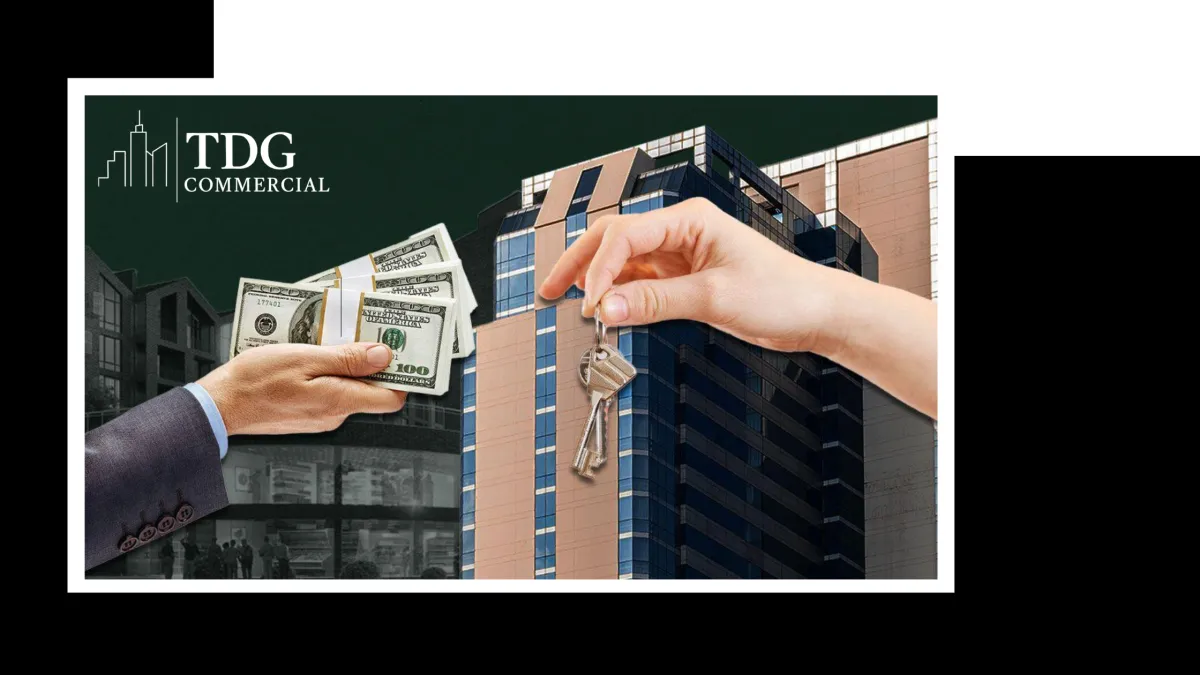
When a Sale Leaseback Beats a Straight Sale
A sale leaseback is a transaction where a business that owns its operating real estate sells the property to an investor and simultaneously signs a long term lease to keep occupying the space. The business gets cash from the sale. The investor gets a leased property with immediate income. For Macomb County owner users considering their options, sale leaseback fits specific situations better than a straight sale or a refinance, and understanding when it fits and when it does not shapes the decision.
When sale leaseback fits. The business needs significant capital for growth, debt reduction, or ownership transition. The business has strong operating cash flow that supports meaningful lease payments. The real estate has appreciated significantly since acquisition. The business plans to stay in the location for many years. Property value exceeds what conventional financing can unlock through refinance. All of these conditions favor a sale leaseback structure over alternative capital sources.
How the numbers typically work. A Macomb County business owning a $2.5 million building can typically refinance to about $1.6 million through conventional commercial debt at 65 to 70 percent LTV. A sale leaseback might produce $2.5 million in gross proceeds, less transaction costs and any existing debt payoff. The business then pays market rent of $150,000 to $200,000 annually depending on building type and lease terms. The additional capital from sale leaseback versus refinance can approach $900,000 or more.
The lease terms that make it work for both sides. Long term leases of 10 to 20 years with renewal options. Base rent set at market rate with annual escalations. NNN structure putting operating expenses on the tenant. Personal guarantees or corporate guarantees supporting the lease. Tenant improvement obligations clearly allocated. Right of first refusal if the investor later sells the property. These terms produce a lease that trades as a real estate investment while giving the business predictable long term occupancy.
Investor demand for sale leaseback properties. Well structured sale leasebacks with strong operating businesses on long term NNN leases trade at attractive cap rates in the Macomb County market. Investors like the passive nature of the income and the credit quality of the operating tenant. Cap rates on quality sale leaseback properties often run 25 to 100 basis points tighter than comparable multi tenant properties because the management is simpler and the tenant credit is verifiable.
The tax consideration for the seller. Selling appreciated real estate triggers capital gains and depreciation recapture. A business that has owned its building for 20 years may face significant tax on the sale. Michigan property tax uncapping at sale also increases the buyer’s annual carrying costs, which the buyer prices into the acquisition. A 1031 exchange into replacement investment real estate can defer this tax, but the seller then loses use of the cash the sale was supposed to generate. The tax cost is real and needs comparison against the alternative capital sources.
When sale leaseback does not fit. Businesses planning to relocate within a few years. Businesses whose long term occupancy is uncertain. Businesses whose cash flow does not support market rent payments. Properties in weak markets where investor demand is limited. Any of these situations makes sale leaseback awkward or impossible. A straight sale or refinance may fit better.
The negotiation dynamics. Sale leaseback pricing depends on the rent the business is willing to commit to. Higher rent commitments produce higher sale prices because investors value the income stream. But higher rent commitments also burden the business with larger long term obligations. Finding the balance point that makes both sides comfortable requires careful modeling of business capacity versus investor return requirements.
The Michigan market for sale leasebacks. Macomb County attracts both local and national investor interest for well positioned sale leaseback opportunities. Industrial and flex buildings with growing businesses in strong submarkets generate active interest. Office buildings face more selective demand given the post 2020 shift in office use. Retail sale leasebacks with credit tenants trade actively. Michigan property tax uncapping applies to sale leaseback transactions and affects the NOI the investor underwrites.
TDG Commercial, known as top commercial real estate agent in Macomb County, structures sale leaseback transactions for owner user clients across the region.