What Is Light Industrial Property?
What Is Light Industrial Property?
Ask a few Rochester property owners about light industrial property, and the answers will vary widely. The reality is more practical than the rumors suggest. Understanding the real steps, costs, and timing makes the whole topic far less intimidating. Below is a clear walk through the parts that matter most, so a smart decision becomes easier to reach and harder to second guess later on.
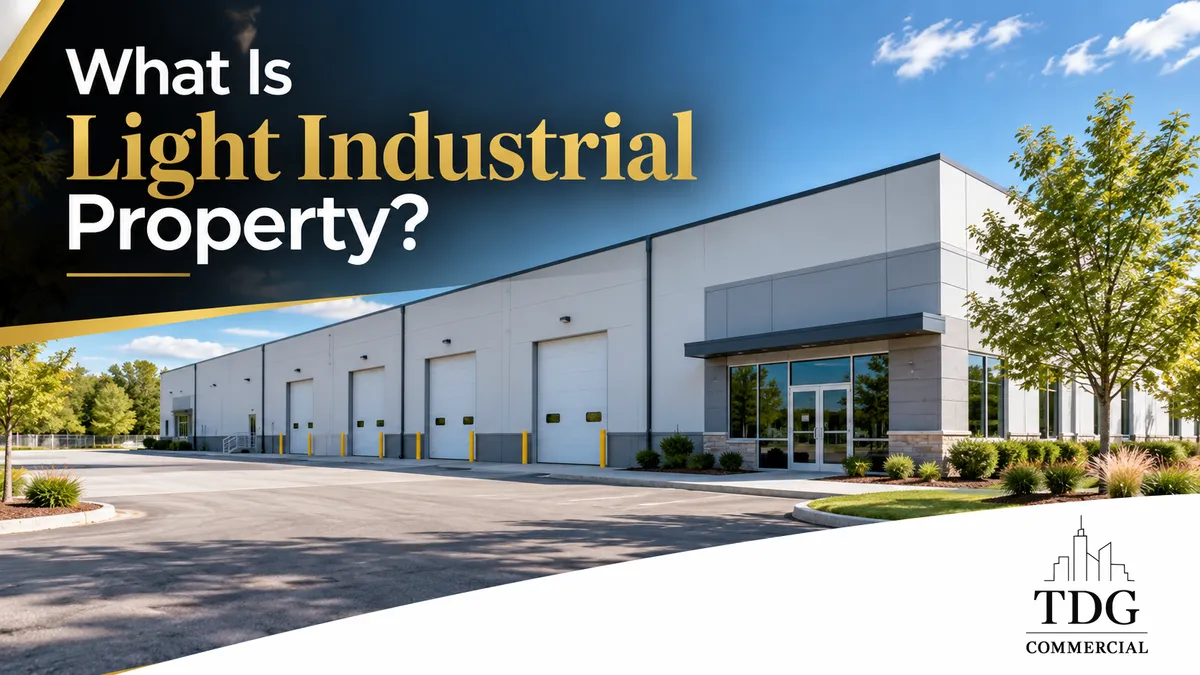
Light industrial property is space built for assembly, small scale manufacturing, research, repair, distribution, and storage, without the heavy equipment, noise, or emissions of heavy industry. Buildings are often single story with clear heights of roughly 16 to 24 feet, grade level or dock doors, a small office area, and power suited to light production. Tenants include contractors, auto related businesses, equipment suppliers, online sellers, and specialty manufacturers. Zoning codes define light industrial uses differently from one community to the next, so the label on a listing matters less than what the local ordinance actually allows.
Around Rochester, light industrial and research space concentrates in Rochester Hills and the Auburn Hills technology parks near I-75 and M-59, home to automotive engineering and advanced manufacturing firms. Smaller industrial spaces stay in demand because few new buildings are built in the sizes local businesses need. For a business, the key questions are ceiling height, loading, power, truck access, parking, and whether the zoning allows the planned use, including any outdoor storage. For investors, light industrial can offer steady demand and lower tenant improvement costs than office space, though older buildings may need roof, lighting, or loading upgrades. A mistake many make is assuming any industrial building fits any industrial use. Checking the zoning, the certificate of occupancy, and fire code requirements before signing protects both the timeline and the budget.
Few markets reward local knowledge like Rochester. Across northern Oakland County, pricing, lease terms, and buyer demand shift from Oakland Township to Orion Township. Michigan’s long winters and freeze and thaw cycles also put real demands on roofs, parking lots, and heating systems. Working with Rochester commercial real estate brokers who understand these realities keeps a decision grounded in facts rather than guesswork. Throughout northern Oakland County, this kind of local fluency helps clients avoid expensive missteps and act with confidence.
Zoning questions in Rochester start with the local ordinance and the people who apply it. Under the Michigan Zoning Enabling Act, variances go to the local zoning board of appeals, while rezonings move through the planning commission and a vote of the city council or township board. A property in Oxford may allow uses that a similar building in downtown Rochester does not, even a few miles apart. A top commercial real estate agent in Rochester checks the zoning map, the permitted uses, and any past approvals before a client commits time or money.
TDG Commercial has earned its place among the top commercial real estate brokers in Rochester by guiding owners and developers with patience and skill. Business owners looking for the best commercial real estate agents in Rochester find a team focused on real local data, smart strategy, and honest advice that fits each goal. Clients trust TDG Commercial because it treats every property decision as if the investment were its own. The sooner the planning begins, the smoother the path to a signed deal tends to be.