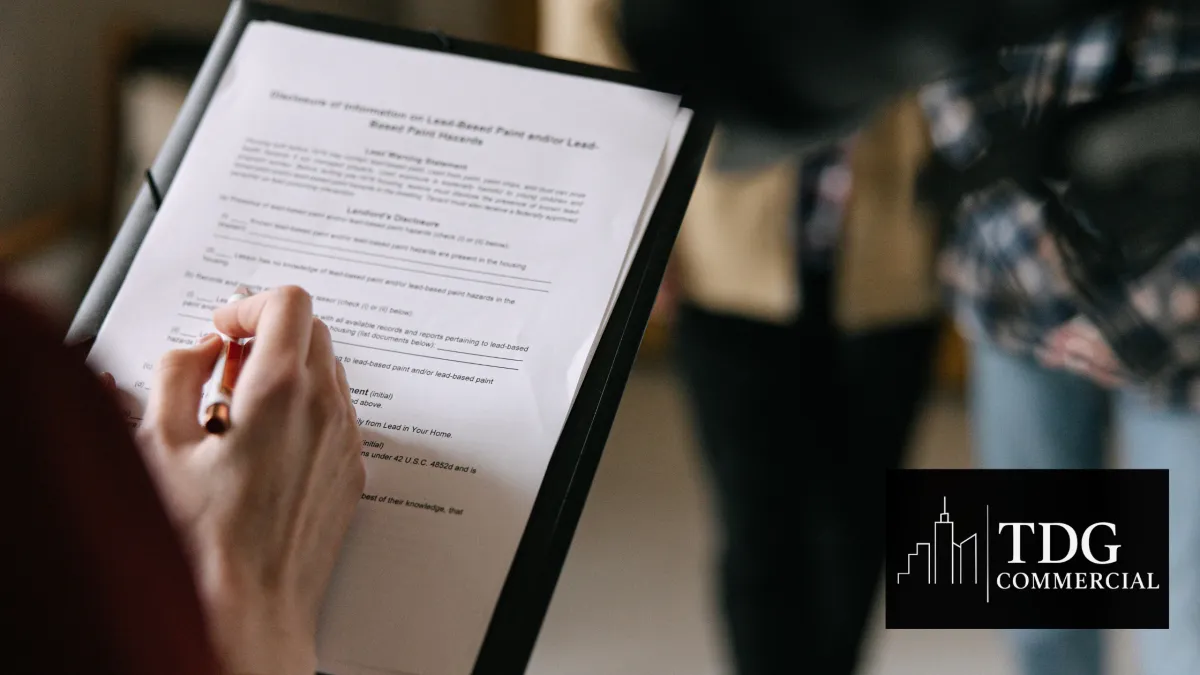
The Hidden Cost of a Messy Commercial Lease
The Hidden Cost of a Messy Commercial Lease
When evaluating a commercial real estate deal, most buyers focus on price, location, and tenant profile. But one of the most overlooked factors — and one of the most expensive to get wrong — is the lease itself.
A poorly structured or “messy” commercial lease can quietly cost you tens of thousands of dollars, reduce your property’s value, and create long-term operational headaches. Whether you are an investor, owner-user, or business owner, understanding what to look for in a lease is critical before you move forward with any transaction.
Why Lease Clarity Matters More Than You Think
At first glance, a lease may appear straightforward. Rent, term, and tenant name might all check out. But the real risk often lies in the details.
Unclear lease language, missing provisions, or loosely defined responsibilities can lead to disputes, unexpected expenses, and reduced net operating income. In some cases, these issues are not discovered until after closing, when the new owner is already responsible.
That is why experienced investors treat lease review as a core part of due diligence, not just a formality.
Common Lease Issues That Can Cost You
1. Unclear Maintenance and Repair Responsibilities
One of the most common problems in commercial leases is vague language around who is responsible for maintaining or replacing key building components.
For example:
Who pays for the roof?
Who handles HVAC replacement?
Are parking lots, plumbing, and structural elements clearly assigned?
If these responsibilities are not clearly defined, the landlord often ends up absorbing costs that were assumed to be the tenant’s responsibility. A single HVAC replacement or roof repair can quickly turn into a five-figure expense.
2. Hidden Operating Expenses and CAM Structures
Common Area Maintenance (CAM) charges can vary significantly depending on how the lease is structured.
Some leases:
Allow broad pass-throughs of expenses
Lack caps on increases
Fail to define what is included or excluded
If the lease is unclear, tenants may push back on reimbursements, leaving the owner responsible for costs that were expected to be recovered.
Over time, this directly impacts your net operating income and overall property value.
3. Weak or Missing Escalation Clauses
Lease escalations are critical for keeping up with inflation and rising operating costs. However, many older or poorly written leases include:
Minimal increases
Flat rent structures
No escalation language at all
This means that while expenses rise, rental income does not. Over a multi-year period, this gap can significantly reduce returns and make the asset less attractive to future buyers.
4. Ambiguous Renewal and Termination Terms
Renewal options and termination clauses can create major uncertainty if they are not clearly defined.
Key issues include:
Unclear rent during renewal periods
Tenant-friendly termination rights
Lack of notice requirements
These factors can make it difficult to project future income, which directly impacts valuation. Buyers and lenders both rely on predictable cash flow, and unclear lease terms introduce risk into that equation.
5. Environmental and Compliance Gaps
In industrial and certain commercial properties, environmental risk is a major concern.
If the lease does not clearly address:
Environmental responsibility
Hazardous material use
Compliance obligations
The owner could be exposed to significant liability. This is especially important when combined with due diligence items like Phase I and Phase II environmental reports.
A missed issue here can quickly become one of the most expensive mistakes in a transaction.
How a Messy Lease Impacts Property Value
The impact of a messy lease goes beyond day-to-day operations. It directly affects how buyers, lenders, and investors evaluate your property.
A clean, well-structured lease:
Supports higher valuation
Creates confidence in cash flow
Attracts stronger buyer interest
A messy lease, on the other hand:
Increases perceived risk
Leads to discounted pricing
Slows down or complicates transactions
In many cases, buyers will either renegotiate the purchase price or walk away entirely if lease issues cannot be resolved.
The Role of Proper Due Diligence
This is where professional due diligence becomes critical.
At TDG Commercial, lease review is not just about reading the document. It involves:
Breaking down financial implications
Identifying inconsistencies or missing terms
Comparing lease structure to market standards
Understanding how it impacts value and exit strategy
The goal is not just to find problems, but to understand how those problems affect the deal and what can be done about them.
Final Thoughts: Small Details, Big Consequences
In commercial real estate, small details can have big financial consequences. A lease that looks acceptable on the surface may contain issues that cost thousands over time or reduce your ability to sell at full value.
The good news is that these risks are preventable.
With the right approach to due diligence and a clear understanding of lease structure, you can protect your investment, improve performance, and position your property for long-term success.
If you are evaluating a deal or want a second look at an existing lease, our team at TDG Commercial can help you identify risks, uncover opportunities, and make informed decisions before problems turn into costly mistakes.